

WMU Launches New Project on the Abandonment of Seafarers with Support from Saudi Transport General Authority
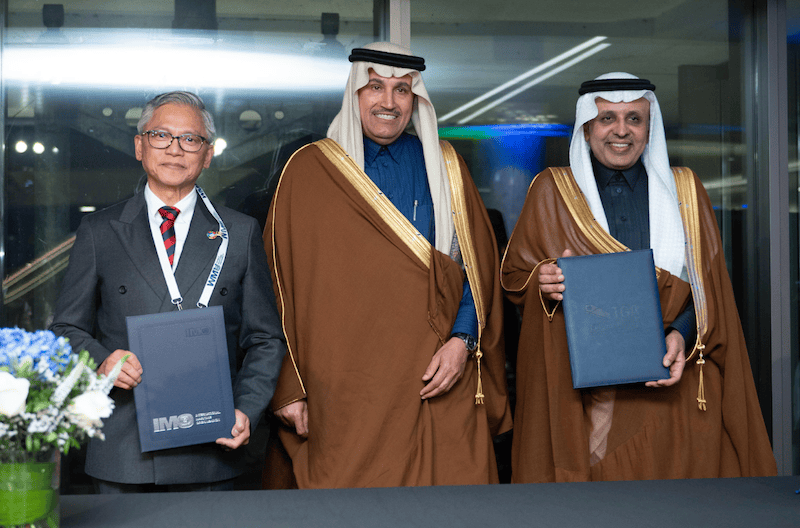
World Maritime University Launches New Project addressing the ongoing challenge of seafarers abandonment. The project is funded through the financial support of the Transport General Authority (TGA) of the Kingdom of Saudi Arabia and is carried out under WMU’s research governance and academic independence standards.
London, United Kingdom, 26 November 2025: The World Maritime University (WMU) has announced the launch of a pioneering research project to address the ongoing challenge of seafarer abandonment. The initiative is made possible through the generous financial support of the Transport General Authority (TGA) of Saudi Arabia, underscoring TGA’s commitment to maritime welfare and global leadership in sustainable shipping and human capital development.
This project forms part of an ongoing collaboration between WMU and the TGA, building on previous joint initiatives and high-level exchanges focused on maritime capacity-building, policy development, and support for seafarers. It further consolidates the strategic relationship between the two institutions in support of safer, fairer, and more sustainable shipping.
The contract for this new collaboration was formally signed during the 34th session of the International Maritime Organization (IMO) Assembly in London, witnessed by international stakeholders and maritime leaders. The IMO will be closely associated with the project discussions, contributing its expertise and serving as a key forum for dialogue on strengthening the international response to seafarer abandonment.
This project builds on WMU’s recognized expertise in maritime labour issues, focusing on the root causes of abandonment, assessing the effectiveness of legal and institutional actions, and developing policy recommendations to improve seafarer protection. The project will engage international partners including governments, international organizations, industry, and seafarers’ representatives for evidence-based solutions.
The aim of the research is to investigate the root causes of the abandonment of seafarers and to analyse the actions and interactions of all actors involved in abandonment cases, in order to identify the key factors that influence the effectiveness of practical assistance provided to seafarers.
WMU partnership with TGA highlights Saudi Arabia’s increasing influence in international maritime affairs and its proactive investments to further global cooperation on regulatory and humanitarian challenges, in line with the Kingdom’s Vision 2030 and TGA’s mission to lead on sustainability, innovation, and the advancement of the maritime workforce.
The project will be led by Associate Professor Khanssa Lagdami, whose work focuses on seafarers’ rights, maritime labour standards, and human rights at sea. Dr Lagdami holds an ITF Seafarers’ Trust-supported academic position. For clarity, the project is funded by TGA and is implemented by WMU in collaboration with the IMO under WMU’s academic independence and research ethics frameworks. Any reference to academic titles reflects the project lead’s position at WMU does not imply external endorsement or project sponsorship beyond the stated funding.


